
Robinhood has become one of the most popular trading platforms for both novice and experienced investors. Since its launch in 2013, it has revolutionized the way people invest by introducing commission-free trading and a user-friendly mobile app. While the platform has opened doors for millions of people to participate in stock and cryptocurrency markets, it has also faced criticism for certain aspects of its operations. This article will explore the pros and cons of using Robinhood for stock and crypto trading to help you decide if it’s the right platform for you..
Pros of Using Robinhood
1. Commission-Free Trading
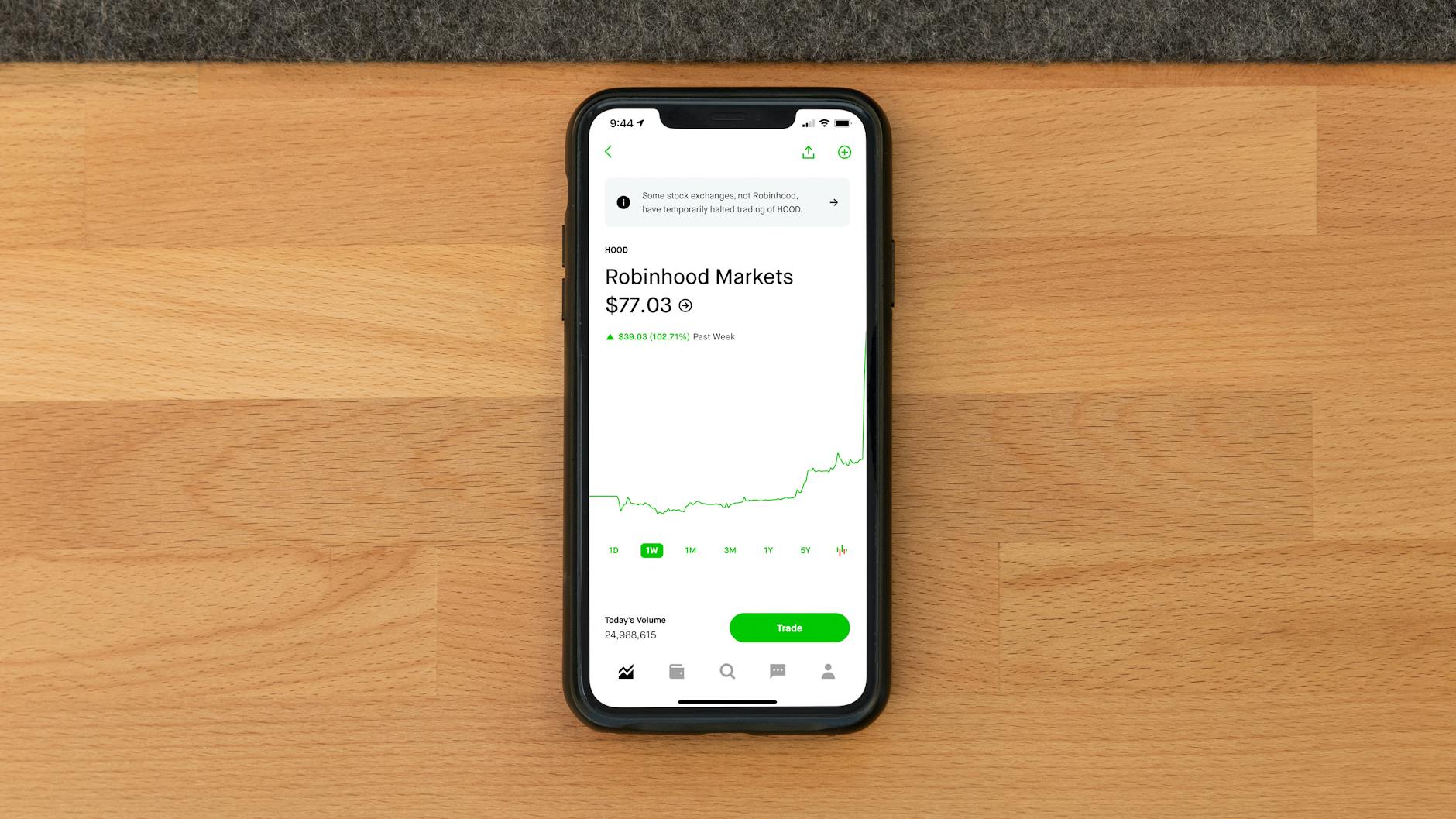
Robinhood’s most significant advantage is its commission-free trading model. Unlike traditional brokers that charge fees for each trade, Robinhood allows users to buy and sell stocks, ETFs, options, and cryptocurrencies without paying a commission. This feature makes it particularly attractive to beginners and those who want to trade frequently without incurring hefty fees.
2. User-Friendly Interface
The platform’s simple and intuitive design is ideal for beginners. The app provides a straightforward onboarding process, making it easy for users to set up accounts and start trading within minutes. Its streamlined layout eliminates unnecessary jargon and complex tools that might overwhelm novice traders.
3. Access to Cryptocurrency Trading
Robinhood was one of the first mainstream brokerages to offer cryptocurrency trading alongside traditional securities. Users can trade popular cryptocurrencies like Bitcoin, Ethereum, and Dogecoin directly from the app without needing a separate crypto wallet or exchange.
4. Fractional Shares
For investors with limited capital, Robinhood’s fractional share feature is a game-changer. It allows users to invest in high-priced stocks like Amazon or Tesla with as little as $1, making it easier to build a diversified portfolio without requiring significant funds.
5. No Minimum Account Balance
Unlike some platforms that require a minimum deposit to open an account, Robinhood has no such requirement. This accessibility lowers the barrier to entry for individuals who may not have substantial savings but want to start investing.
6. Instant Deposits and Trades
Robinhood offers instant deposits, allowing users to start trading immediately after transferring funds. Additionally, the platform enables real-time trading, ensuring that users can take advantage of market opportunities without delays.
7. Educational Resources
Robinhood provides basic educational tools, such as articles and tutorials, to help new investors understand the stock market and cryptocurrency trading. These resources, while not exhaustive, offer a solid starting point for beginners.
Cons of Using Robinhood
1. Limited Research and Analysis Tools
While Robinhood’s simplicity is an advantage for beginners, it can be a drawback for more experienced investors. The platform lacks advanced research tools, detailed charts, and in-depth analysis features that are commonly found on other brokerage platforms. This limitation can hinder informed decision-making for users who rely on robust data.
2. Payment for Order Flow (PFOF)
Robinhood has faced criticism for its reliance on payment for order flow, a practice where the platform receives compensation from market makers for directing trades to them. While this practice allows Robinhood to offer commission-free trading, critics argue that it may result in suboptimal trade execution and higher costs for users.
3. Customer Service Issues
Robinhood’s customer service has been a point of contention, particularly during periods of high market volatility. Users have reported difficulties in reaching support representatives and resolving issues promptly, which can be frustrating and costly in fast-moving markets.
4. Outages and Downtime
The platform has experienced several high-profile outages, particularly during critical market events. These outages have prevented users from accessing their accounts and executing trades, leading to missed opportunities and financial losses.
5. Lack of Advanced Order Types
Robinhood’s limited selection of order types may not meet the needs of advanced traders. For example, the platform does not offer tools like trailing stop orders or conditional orders, which can be essential for sophisticated trading strategies.
6. Risk of Overtrading
Robinhood’s gamified interface, which includes features like confetti animations for trades, has been criticized for encouraging impulsive trading. This design can lead inexperienced users to overtrade or take excessive risks, potentially resulting in significant losses.
7. Controversial Business Practices
Robinhood has faced regulatory scrutiny and legal challenges over its business practices. For example, the platform’s role in the GameStop trading frenzy in early 2021 drew criticism for temporarily restricting trading on certain stocks, which many users viewed as unfair and detrimental.
A Closer Look at Cryptocurrency Trading on Robinhood
Advantages
- Integrated Trading: Users can trade cryptocurrencies alongside stocks, eliminating the need for a separate exchange.
- No Fees: Unlike many crypto exchanges that charge transaction fees, Robinhood offers fee-free crypto trading.
- Ease of Use: The straightforward interface makes it simple to buy and sell cryptocurrencies, even for those new to digital assets.
Disadvantages
- No Ownership of Coins: When trading crypto on Robinhood, users do not have access to their private keys, meaning they don’t fully own the coins. This limitation can be a deal-breaker for those who value decentralization and self-custody.
- Limited Crypto Offerings: Robinhood supports a smaller selection of cryptocurrencies compared to dedicated crypto exchanges like Coinbase or Binance.
- Lack of Advanced Tools: The platform’s crypto trading tools are basic, lacking features like margin trading or advanced charting.
Who Should Use Robinhood?
Robinhood is best suited for:
- Beginners: Its simplicity and accessibility make it an excellent choice for those new to investing.
- Budget-Conscious Investors: The lack of commissions and account minimums is ideal for individuals with limited funds.
- Casual Traders: Users who prefer a straightforward platform for occasional trades will appreciate Robinhood’s streamlined interface.
However, it may not be the best choice for:
- Experienced Investors: The lack of advanced tools and research features can be a significant drawback for seasoned traders.
- Active Day Traders: Frequent traders may find the platform’s limited order types and potential execution issues frustrating.
- Crypto Enthusiasts: Those who prioritize coin ownership and advanced crypto trading features may prefer dedicated cryptocurrency exchanges.
Conclusion
Robinhood has undoubtedly democratized investing by lowering barriers and making trading accessible to the masses. Its commission-free model, user-friendly design, and integration of stocks and cryptocurrencies have made it a favorite among beginners and casual investors. However, the platform’s limitations, including a lack of advanced tools, customer service challenges, and controversial practices, mean it may not be suitable for everyone.
When deciding whether to use Robinhood for stock and crypto trading, consider your investment goals, experience level, and the features that matter most to you. While it’s an excellent starting point for new investors, those seeking a more comprehensive trading experience may need to explore alternative platforms. Ultimately, the best choice is the one that aligns with your needs and helps you achieve your financial objectives.



 Websites and Products Reviews